
Forged in the Fire
If you told me years ago I'd be writing selkie spice, I wouldn’t have even understood the sentence.

Nine.
This month, my oldest son turned nine.
I still feel a faint twist in my stomach when I remember finding out I was pregnant at twenty-five—newly in love, wildly unprepared, utterly uncertain. I had a crappy walk-up apartment in Queens with bed-bugs in the walls, a roommate, a part-time job, and I lived off bodega mangos. Yet the one thing I was certain of, from the very first second, was that I would become a mother. No part of me questioned that calling, even if others did.
Looking back, I’ve been thinking about what it actually means to be “ready” for anything big—motherhood, marriage, a creative life. Is true readiness even possible beforehand? In my experience, readiness isn’t a state you achieve in advance; it’s something that takes shape inside the experience itself. You can’t skip to the resolution of a story without living the rising action. The journey forges you.
Nothing I might have done in those next few years would have prepared me for the seismic shift of motherhood. The drama of it changed me at the root—my goals, my ideals, the texture of my days. And that’s the point: real readiness arrived through the doing, not despite it.
This page is about writing, so it feels right to carry the same thread here. Right now I’m querying the first book in a medieval selkie trilogy and two-thirds through the draft of the second. If you’d told the version of me who first started writing that I’d end up writing spicy, grief-soaked selkie romance, I wouldn’t have understood what you MEANT. But through writing—through the grief that has seeped into me since I began taking the craft seriously, through sinking deeper into my own romances (with life, with my children, my husband, my home, my creativity)—I arrived here.
And if these books ever find a home in the world, it will taste so damn good—not in spite of the long road, but because of it.
Of course I still question myself. When I see how much my son is like the younger me—the quick flare of temper in his chest and throat, the loneliness he carries, the way he loves to tell stories but gets frustrated when he doesn’t know where to begin—there is an ache. A question-mark-shaped pang. If only I’d arrived with the toolbox already stocked, the inner work already finished.
But the truth is, we’re building the tools together. I couldn’t have bought them ready-made anyway. There was no Black Friday sale on emotional regulation or secure attachment. Alas. We’ve forged them instead—delicate and hot and beautiful, like blown glass or hand-hammered rings, bespoke for us.
I think of marriage the same way. I didn’t have to marry when I found out I was pregnant; no one pressured me. Before meeting my husband, I’d already made peace with the idea that marriage might never happen for me. But when he asked, just like with motherhood, there wasn’t a single cell in my body that wanted to say no.
We had our issues. Some might have called them red flags flapping loudly in the wind. But what even is a red flag? A signal that something isn’t working yet. A call for change, before the banner turns from warning to war. And what is the most powerful path to transformation? You’re asking a romance writer, so you already know the answer: love. Committing to love itself—not fleeing from the discomfort, but staying inside it long enough for the alchemy to happen.
We’re so quick to say we need time to “see if we can work through things,” but some things take years, and the issues that resolve quickly only make room for deeper ones that won’t. What if the commitment isn’t primarily to another person, but to love as a force—the force that actually sparks the change we need?
What if we approached writing the same way? We don’t have to commit to one perfect story idea, one debut novel that will immortalize our name and define our career forever more. We commit to the craft. Most of us don’t have the skill to bring an idea fully to life the first time we try. That’s not a red flag. Not publishing in your twenties or thirties isn’t a red flag either. Imagine if Virginia Woolf or Toni Morrison had treated hurdles in their careers as proof that writing life wasn’t for them.
No. We commit to the process of change. It’s risky, yes, but far less risky than quitting. Because quitting guarantees one outcome with 100% certainty: failure. Keep going, and the odds tilt in your favor.
And even more than that—you might discover that the journey, with all its mess and heat and forging, is the whole damn point.
Until next month, I shall remain yours in reckless tenacity and selkie spice,
Hadas
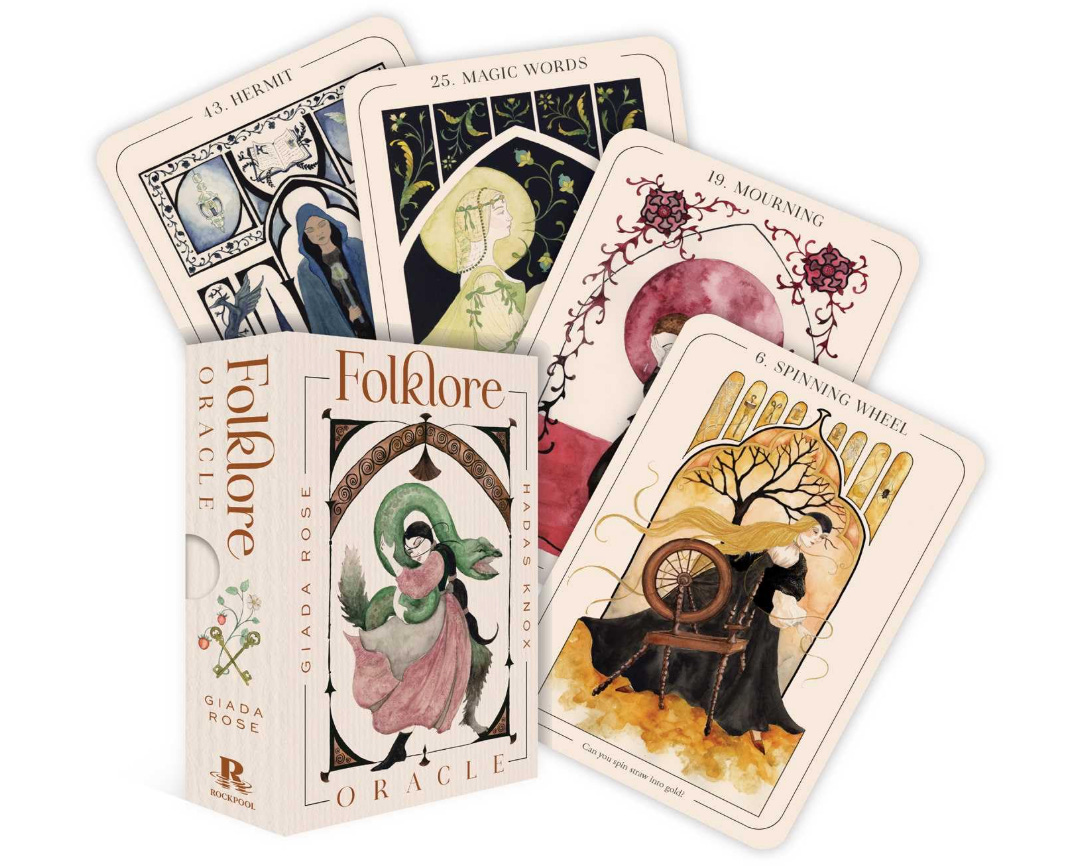
A deck in the vein of Women who Run with the Wolves, Folklore Oracle explores the rich symbolism within folk wisdom, mythology, custom and superstition, acknowledging each symbol as a key to unlock the hidden pieces of the psyche.
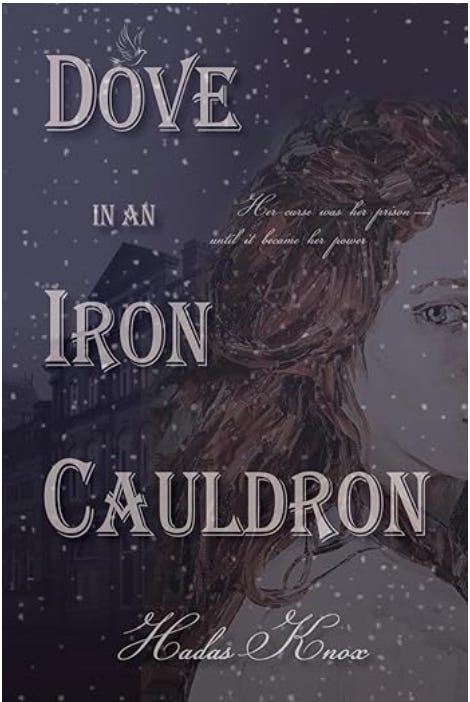
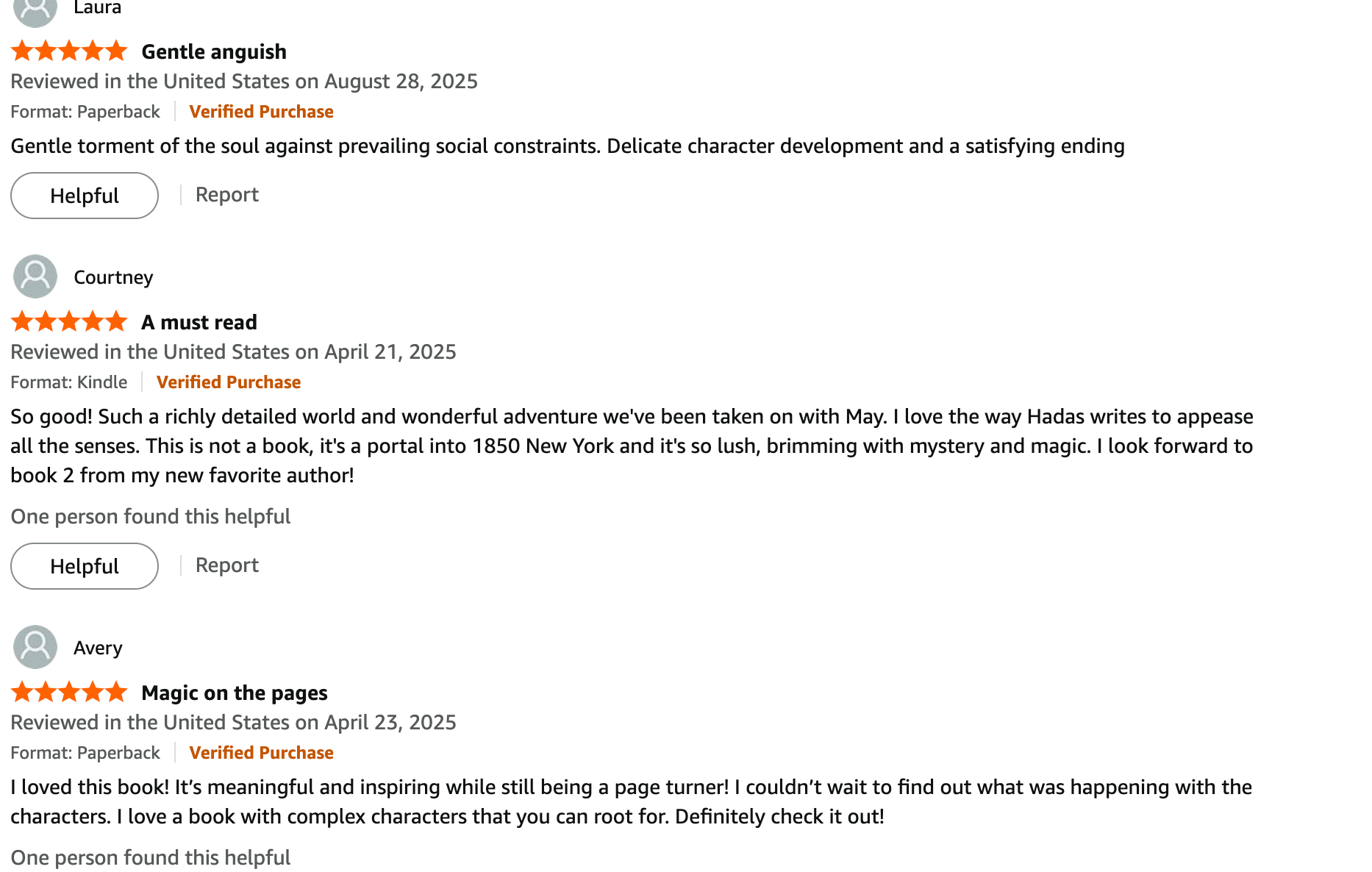
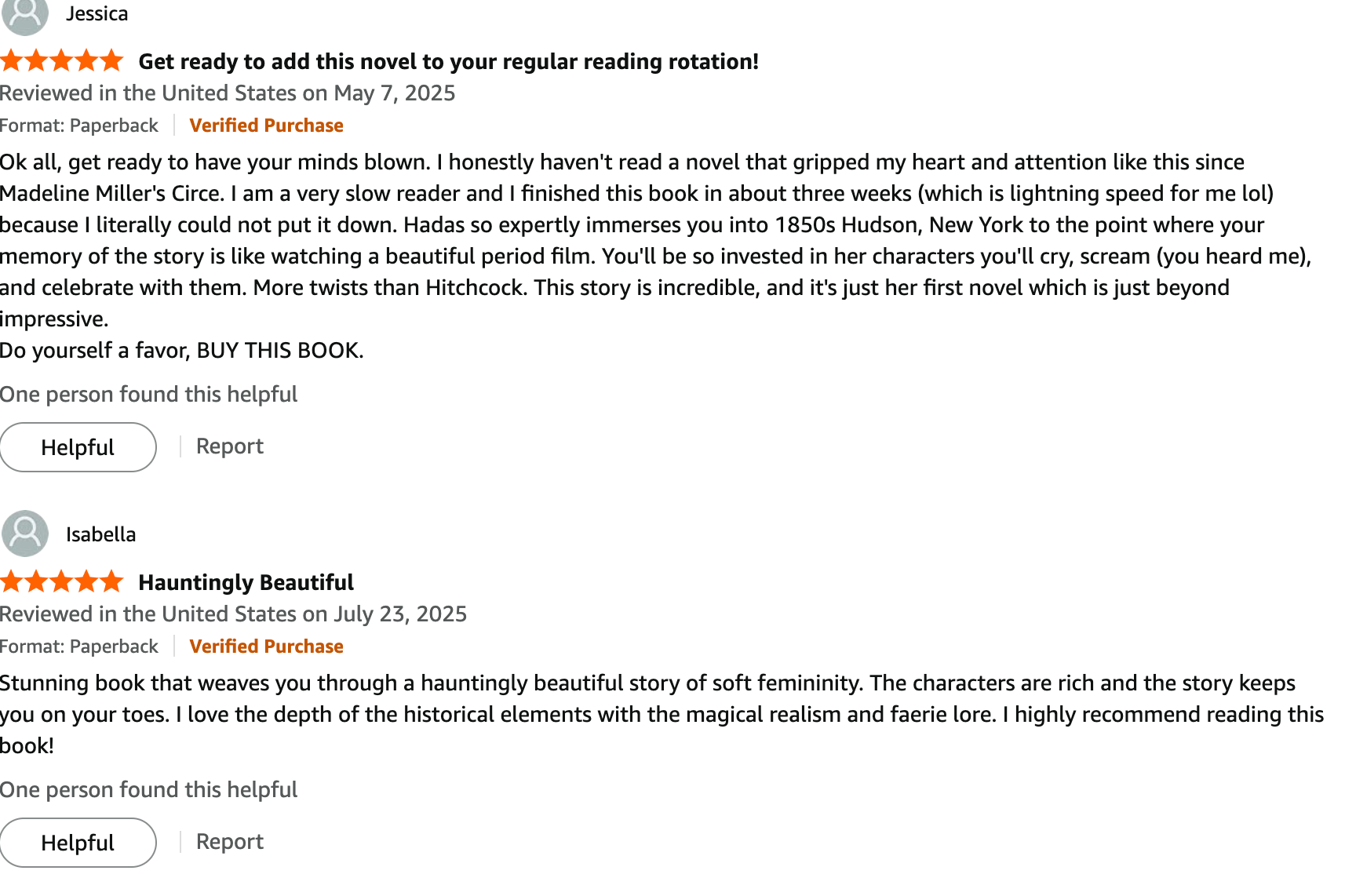
Spooky season isn’t over yet. My novel Dove in an Iron Cauldron captures the spirit of the Victorian era in America and the haunting choices that shape us in a sweeping tale of love, redemption, and the supernatural.
This was so touching! And so beautifully written. We do learn with our children, which is heartbreaking but also wonderful. I always tell my son that this is my first time through life too.
Soooo beautiful, Hadas. Thank you for this reflection. Keep going keep going!